
Avalanches are most commonly associated with the steep faces and high snowfall totals found in the West. Generally, large amounts of natural snow and slopes with a gradient higher than 30 degrees are the two key ingredients required to create an avalanche.
But that doesn’t mean avalanches don’t happen elsewhere—and they don’t always require the natural stuff.
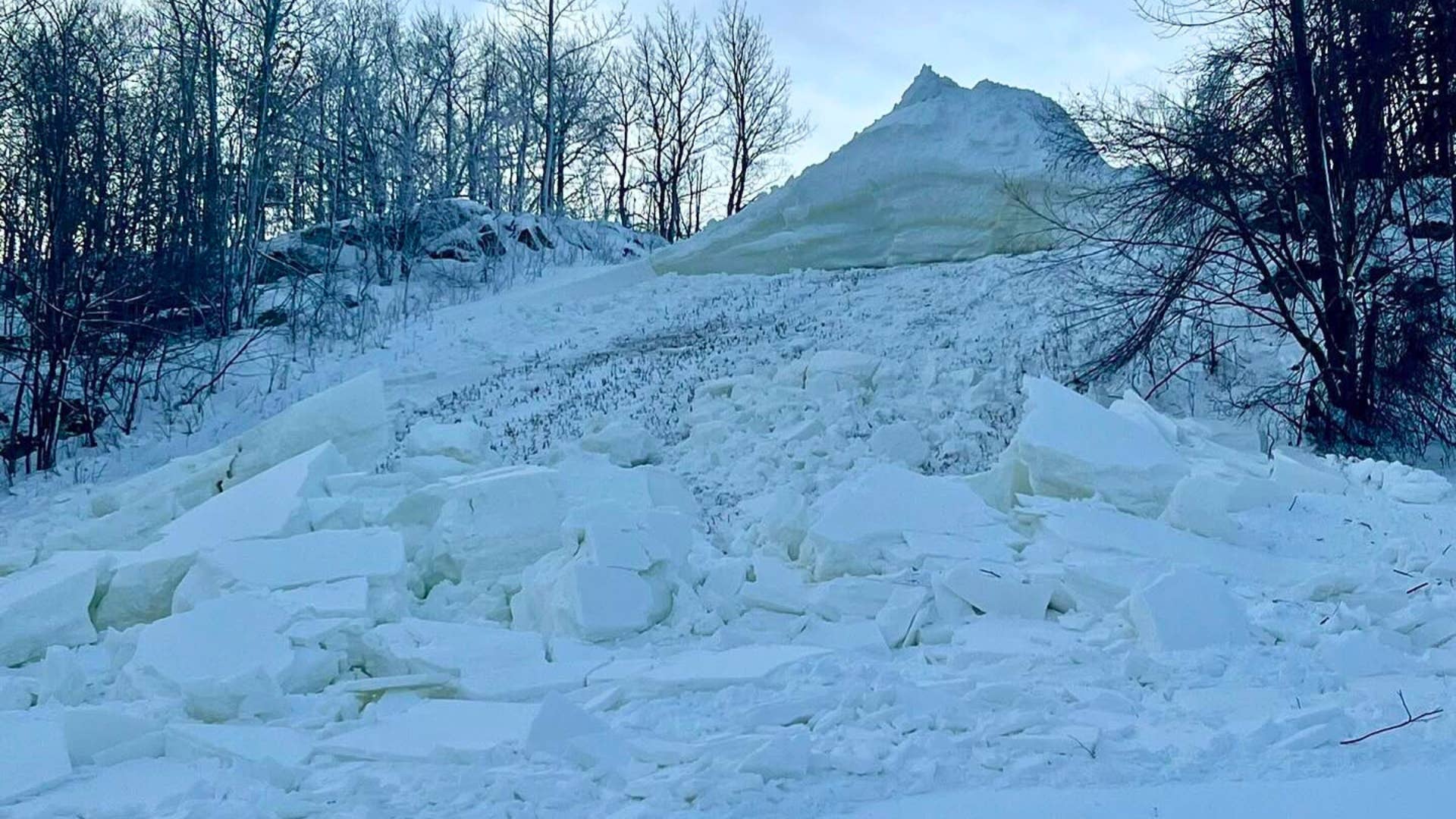
Big Powderhorn Mountain Resort, Michigan—a small, 235-acre ski area—recently reported that one of its snowmaking piles had avalanched. The incident ocurred overnight on December 13, 2024.
The manmade slide took place on the black diamond Double Barrel trail, which, apparently, was steep enough for avalanche activity. Based on Big Powderhorn’s social media post about the slide, this was more of a fun novelty than a cause for serious concern.
“How big is Big Powderhorn? We’re so big we had a real avalanche occur on Double Barrel last night!” the resort wrote.
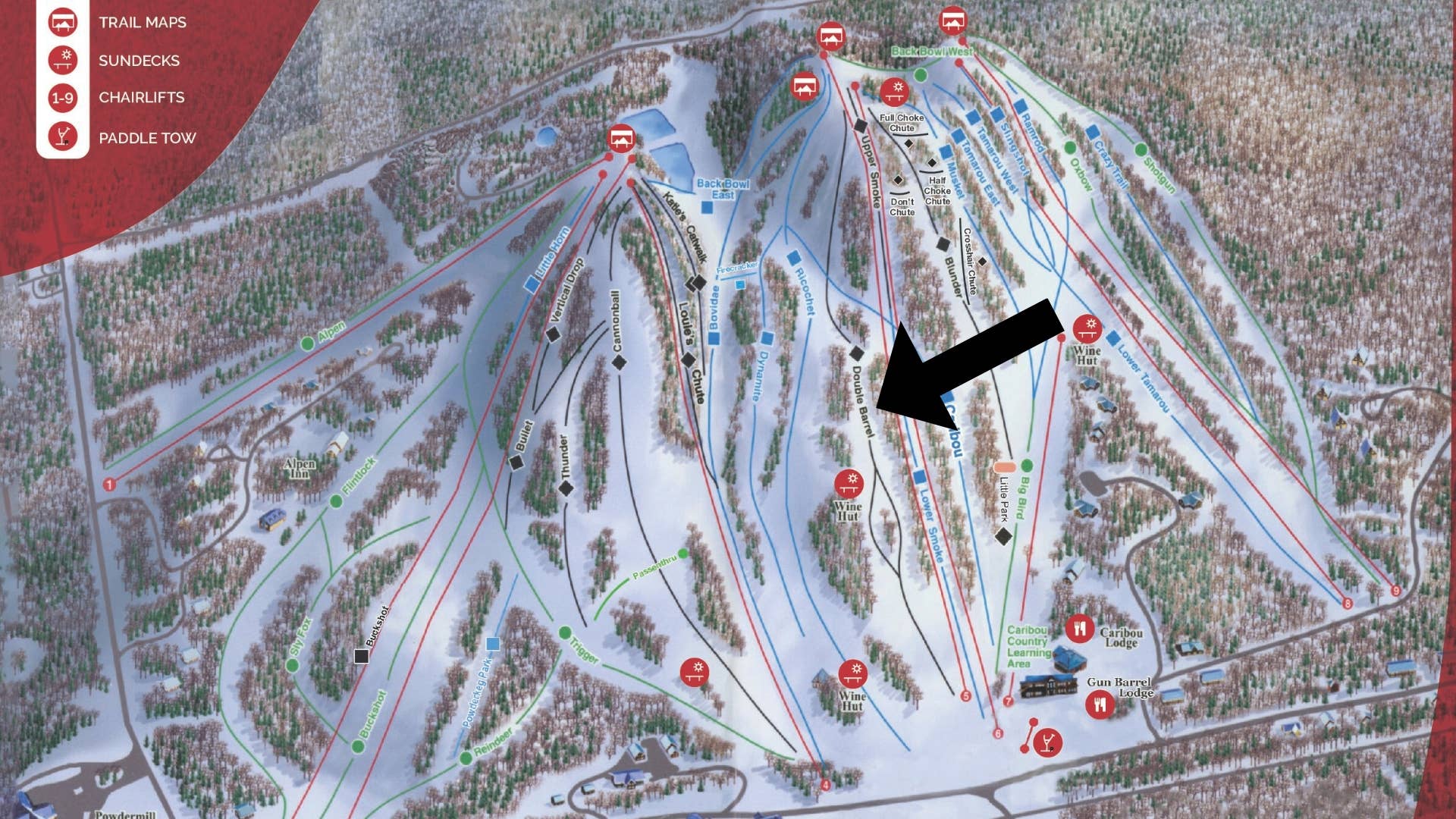
Photo: Big Powderhorn Mountain Resort
But the unconventional avalanche at Big Powderhorn isn’t as weird as you might think it is.
During snowmaking, some ski areas produce piles of snow called “whales” that sit before being plowed into even, snowy surfaces. Evidence of these “whales”—and, more generally, manmade snow—avalanching like their all-natural counterparts exists.
According to a paper published by Roger H. Damon, Jr., a large, roughly five-meter-high “whale” avalanched at Cannon Mountain, New York, during the winter of 1973 and 1974. One snowmaker, who was posed atop the “whale” for a photo opportunity, rode it for the duration of the slide and was unhurt. The trail where the slide occurred was aptly named “Avalanche” afterward and still exists today.
Damon Jr. noted several more snowmaking avalanches throughout history, including ones at Wildcat Mountain, Holiday Valley, and Stowe. The latter, which took place in 1988 on the Upper National trail, happened at night and pinned a snowmaker to a tree. He was found with a fractured rib. The snowmaking equipment on the National, which was seriously damaged during the avalanche, was less lucky.
“Discussion with several well-known individuals at previous ISSW conferences revealed what appears to be a widespread disbelief that manmade snow can—and does—produce significant avalanches,” writes Damon Jr.
Still, the terrain and weather found in Western states like Colorado, Washington, and Utah present the greatest avalanche risk to skiers. So, instead of worrying about the “whales,” focus on your upcoming backcountry trip into uncontrolled terrain. Get the right gear, check the avalanche forecast, and, above all, come home safe.
Be the first to read breaking ski news with POWDER. Subscribe to our newsletter and stay connected with the latest happenings in the world of skiing. From ski resort news to profiles of the world’s best skiers, we are committed to keeping you informed.
About the author

Ian Greenwood
Staff Writer, Powder
Comments
No one has shared their thoughts yet.
Leave a comment so your voice will be heard first.